Workflows
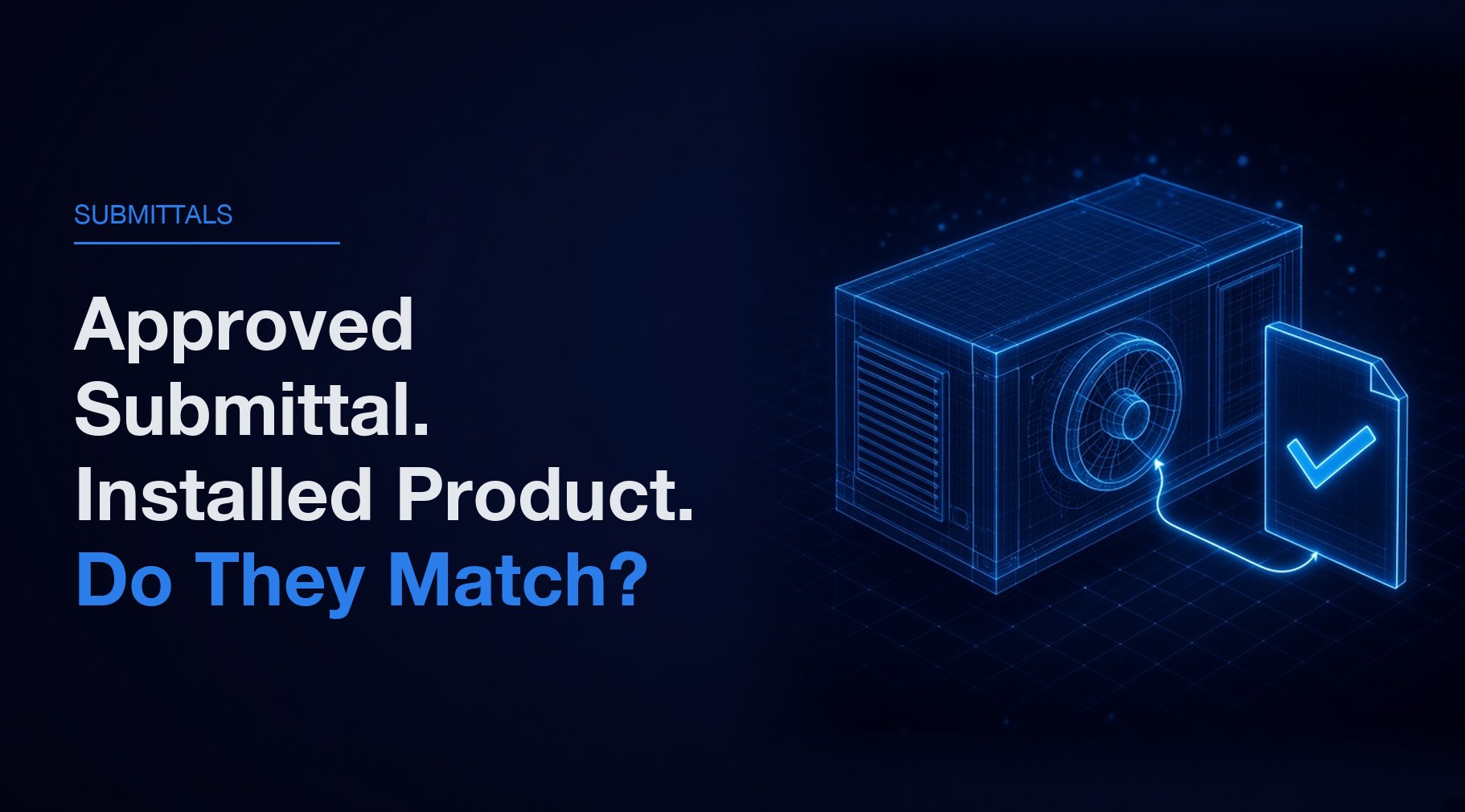
Approved Submittal. Installed Product. Do They Match?
An approved product record and a completed installation are two different facts. The project needs evidence connecting them.
Mark Klusza · November 18, 2026 · 4 min


Insights from our industry experts on the data, decisions, and technology transforming construction.
A requirement becomes operational when the person responsible for the work can find it, apply it, and demonstrate how it was satisfied.
Read articleAn approved product record and a completed installation are two different facts. The project needs evidence connecting them.

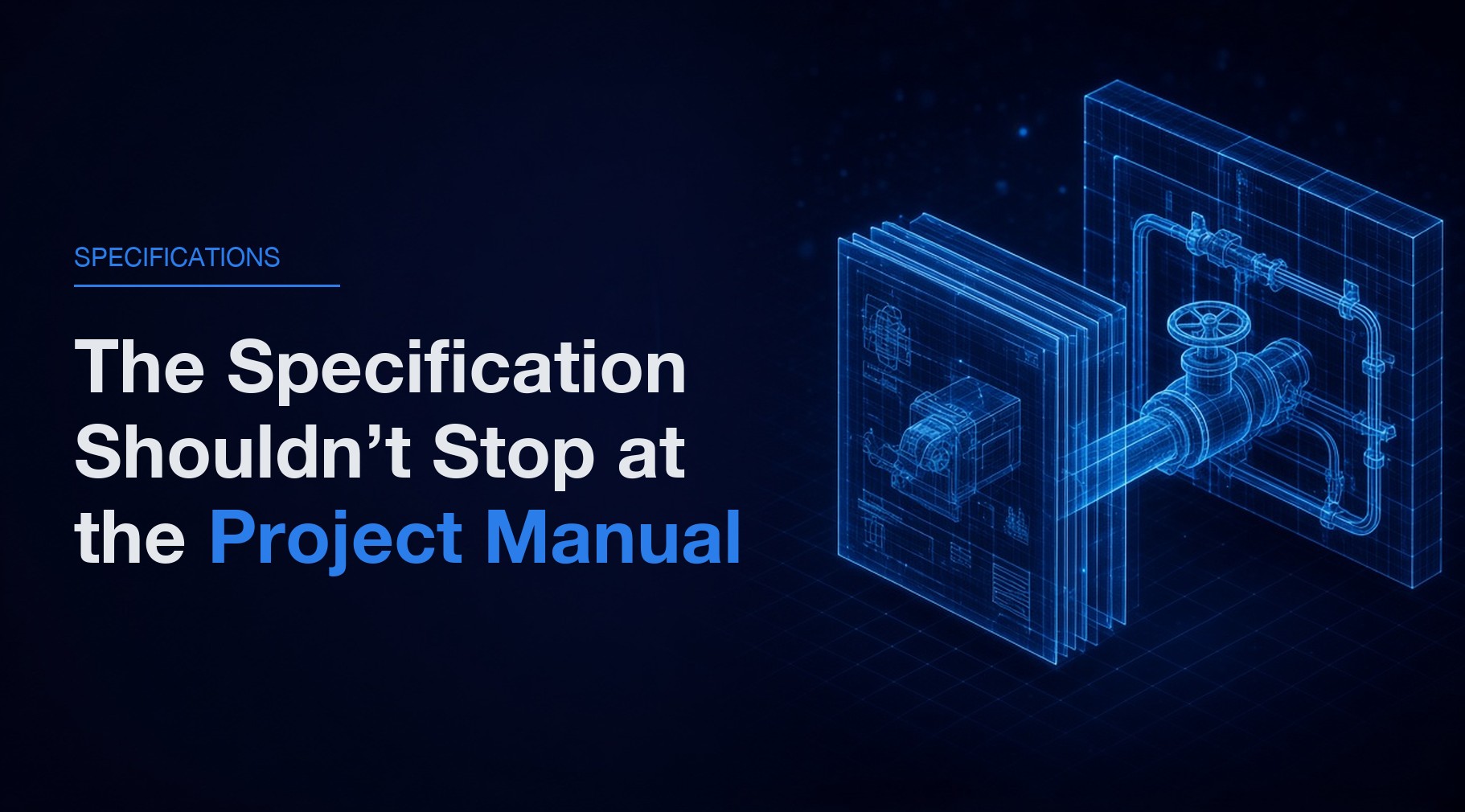
Objects can fit in their final positions and still be difficult to install, inspect, operate, or maintain. Coordination needs to consider how the work actually happens.
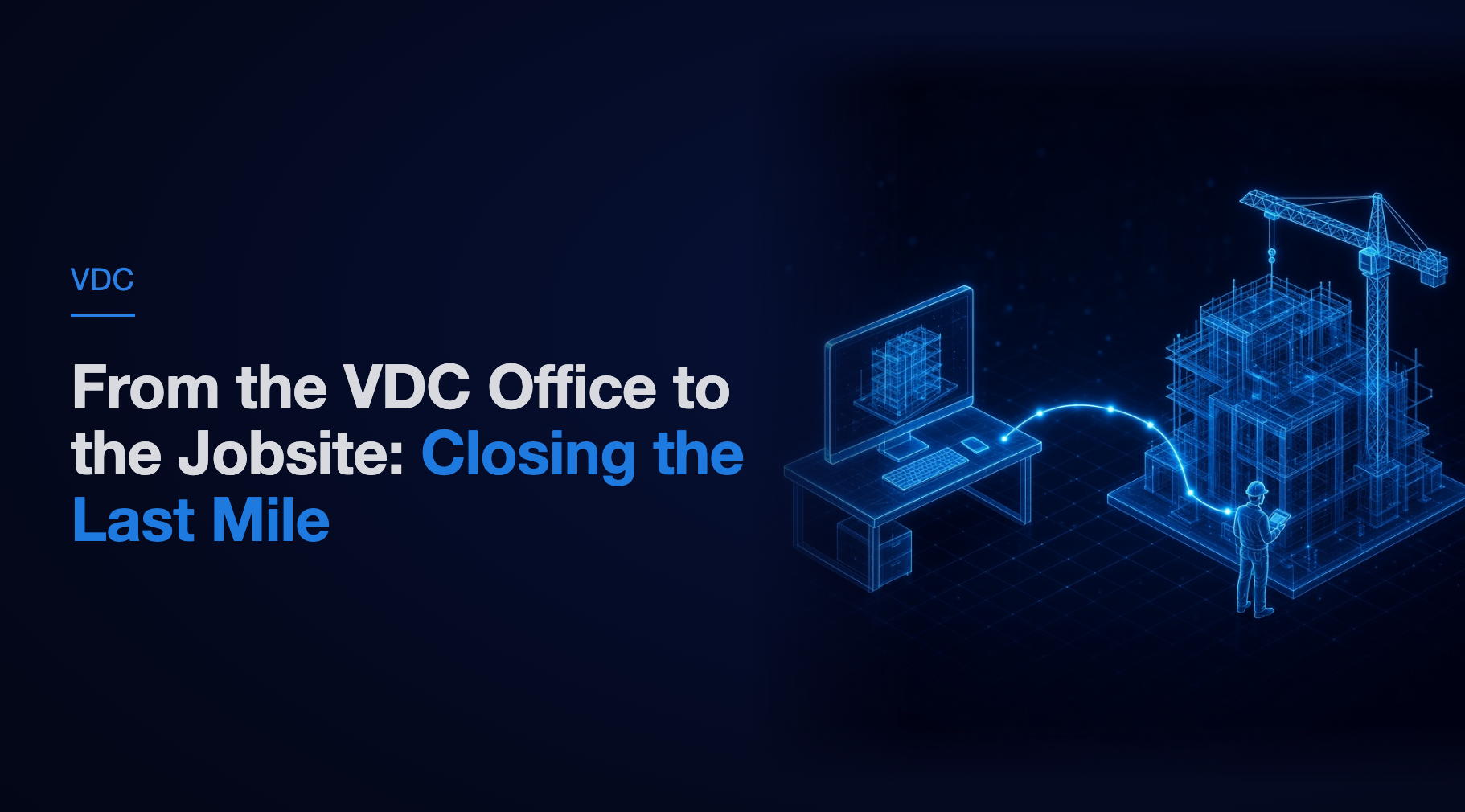
Model intelligence earns its value when the person planning or installing the work can use it without rebuilding the context.
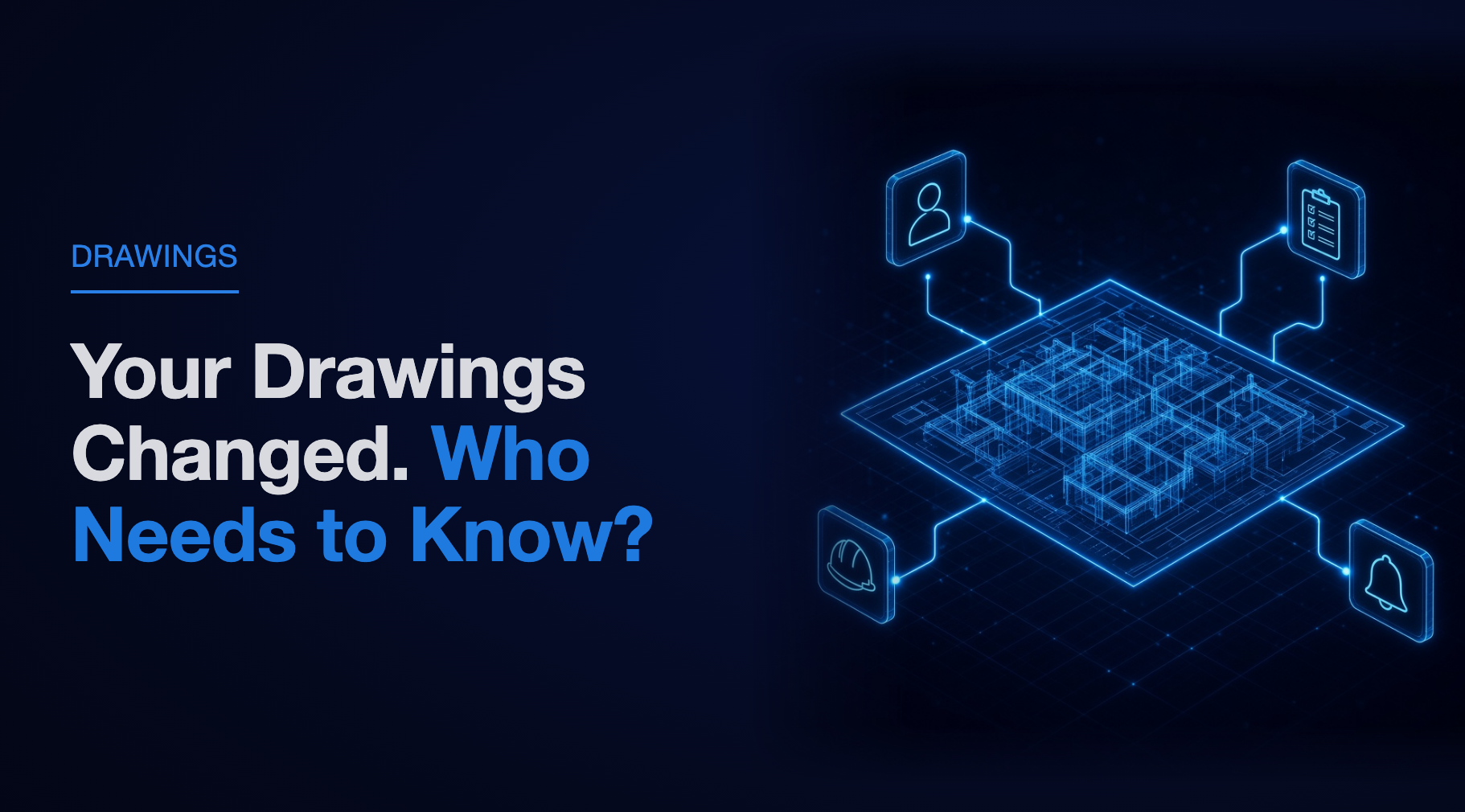
A drawing revision is only useful when the people responsible for affected work understand what changed and what they need to do about it.
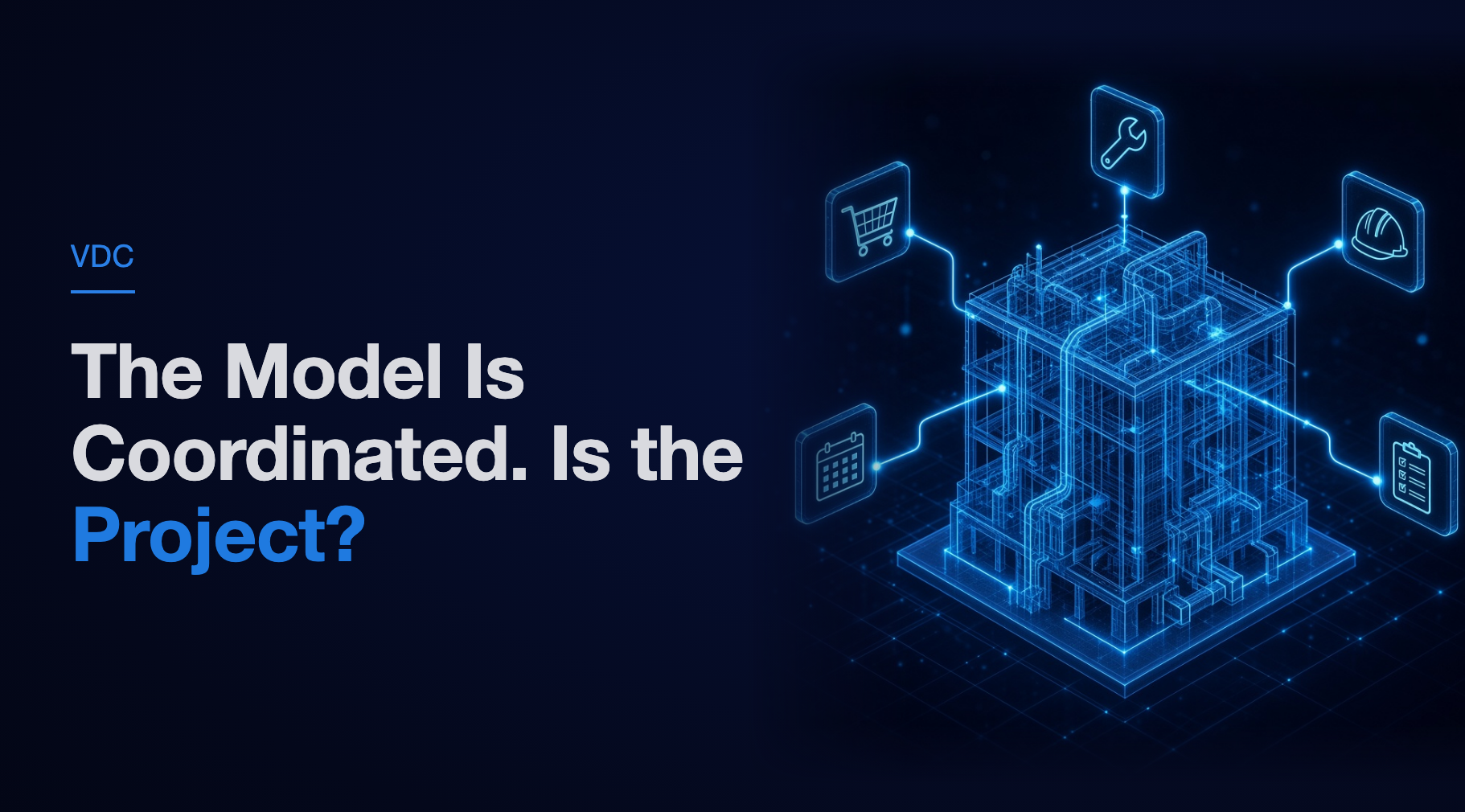
A coordinated model should carry the reasoning behind the work into procurement, installation, inspection, and turnover. Otherwise, coordination ends where the project still needs it most.
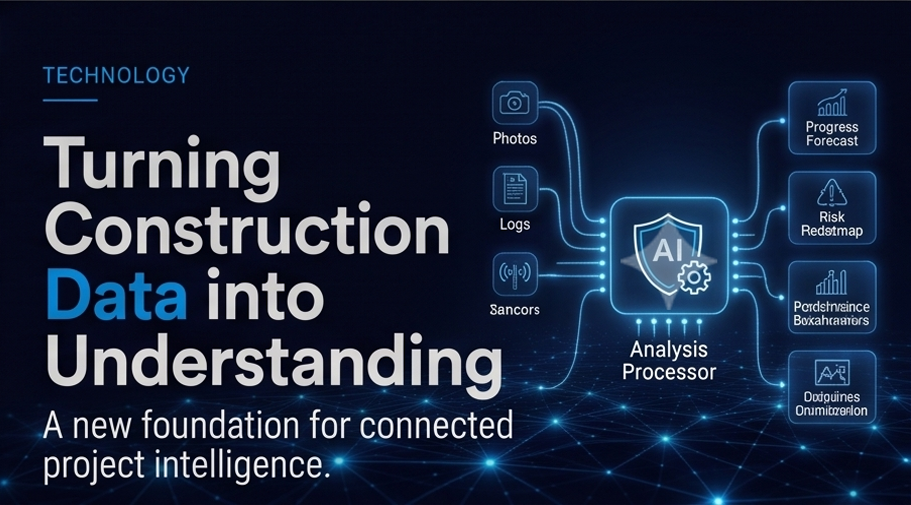
Construction does not have a shortage of data. It has a shortage of data that carries enough meaning for people, software, and AI to reason about the work consistently.
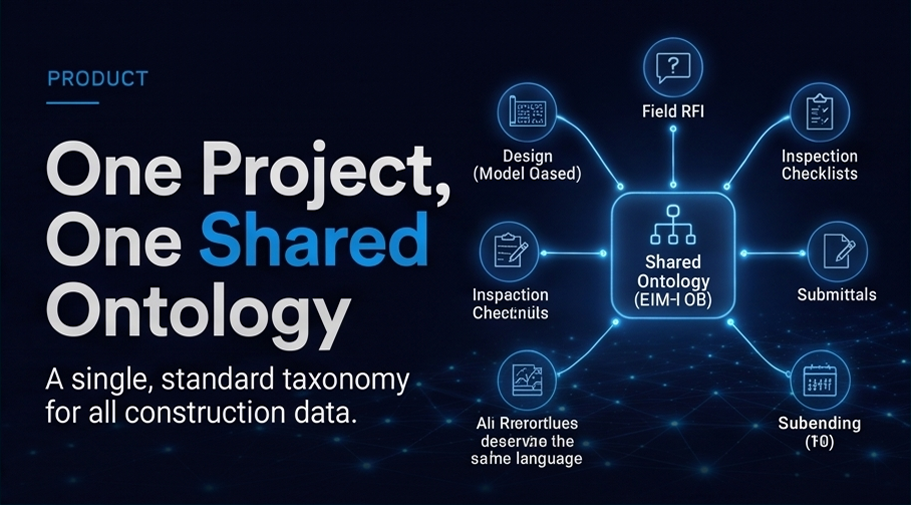
A project cannot become truly connected until its people and systems agree on what the things in the project are-and how those things relate to one another.
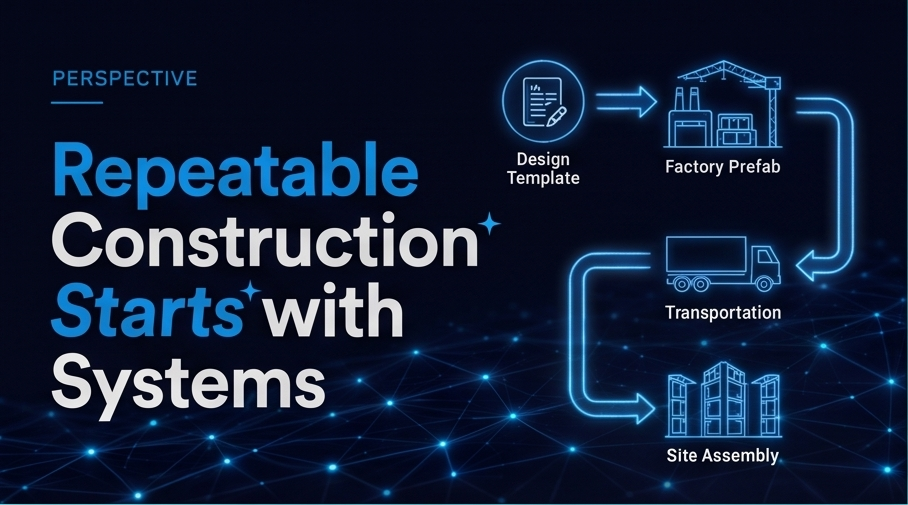
Construction does not become predictable because people work harder. It becomes predictable when good decisions are captured in systems that can be repeated, measured, and improved.
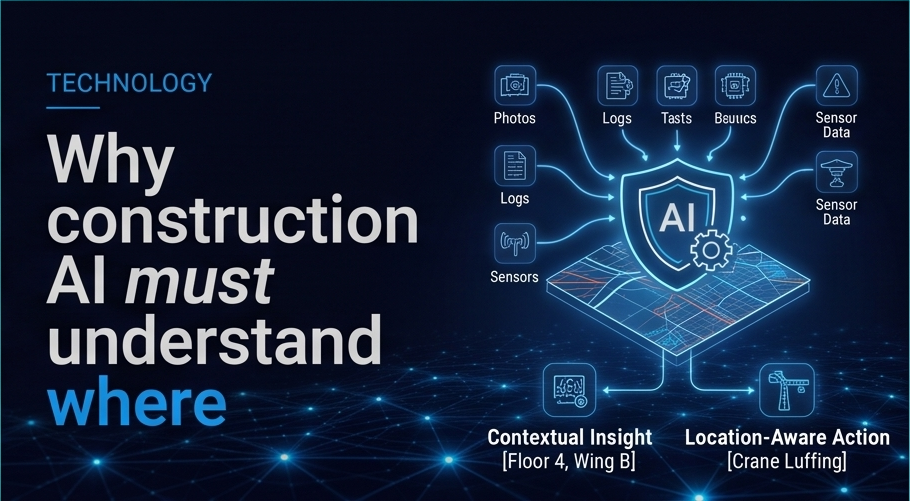
AI cannot reliably reason about project impact, readiness, or risk if location remains inconsistent text scattered across disconnected systems.
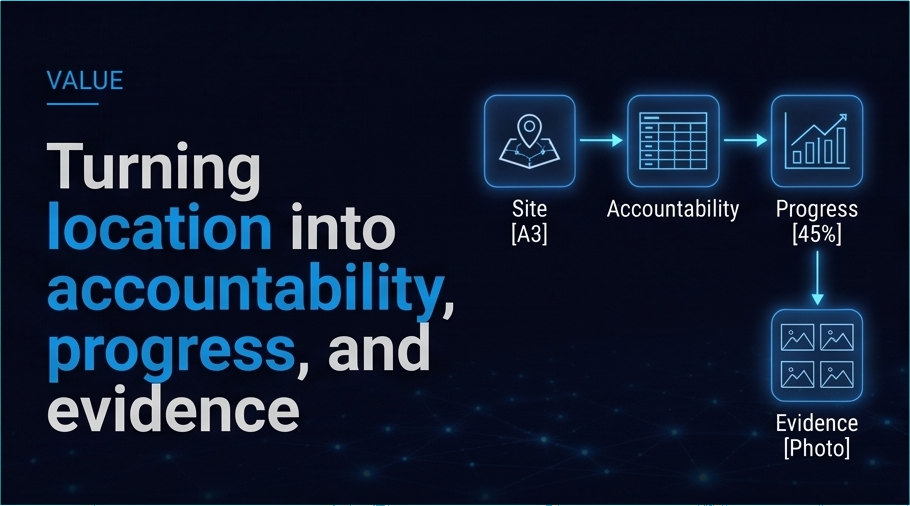
When every record is connected to a governed location, clients gain a clearer view of readiness, responsibility, recurring risk, and the evidence behind project decisions.
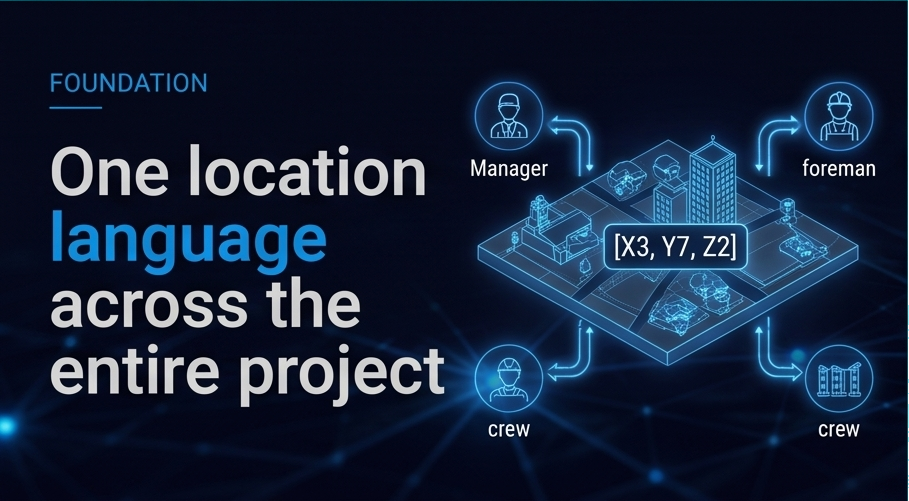
A governed LBS aligns the spatial vocabulary used by drawings, BIM, schedules, field teams, workflows, and reporting without erasing the way each client operates.
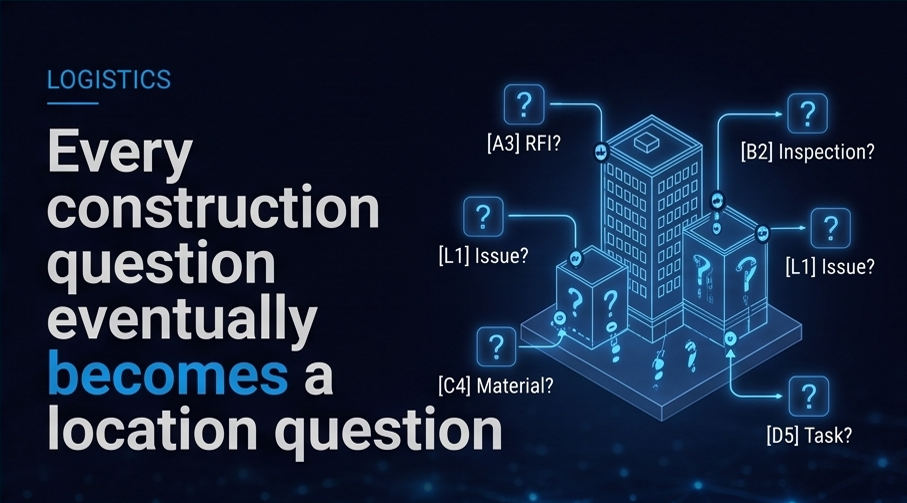
blade ai's Location Breakdown Structure gives every project record a governed answer to the most basic-and most important-construction question: where?
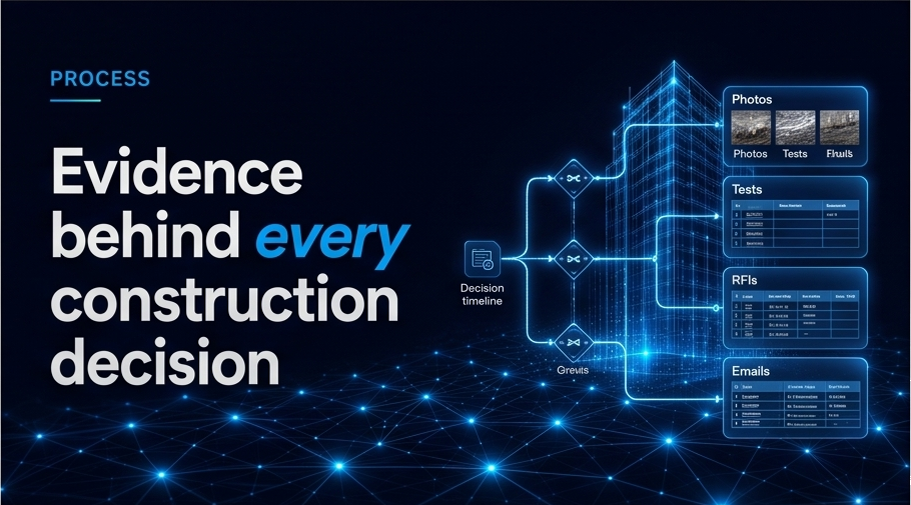
Project teams need more than completed forms. They need a defensible chain connecting requirements, observations, evidence, decisions, actions, and acceptance.
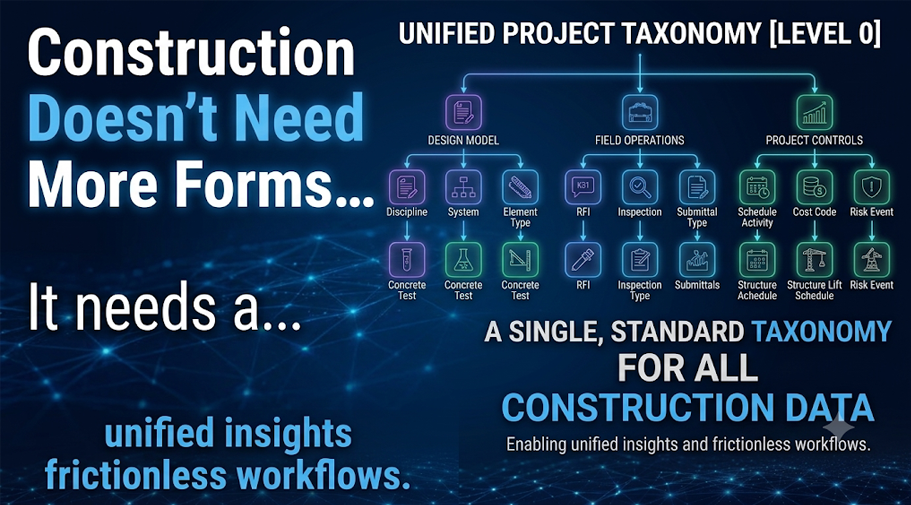
The real power of an intelligent form appears after the answer: in the rules, evidence, relationships, routing, and downstream work that answer activates.
Construction teams need specialized experiences, but they should not have to rebuild identity, governance, evidence, relationships, and automation for every process.

Today we're launching blade ai — the open, AI-powered intelligence layer for construction. Not because the timing felt right. Because we've waited long enough.
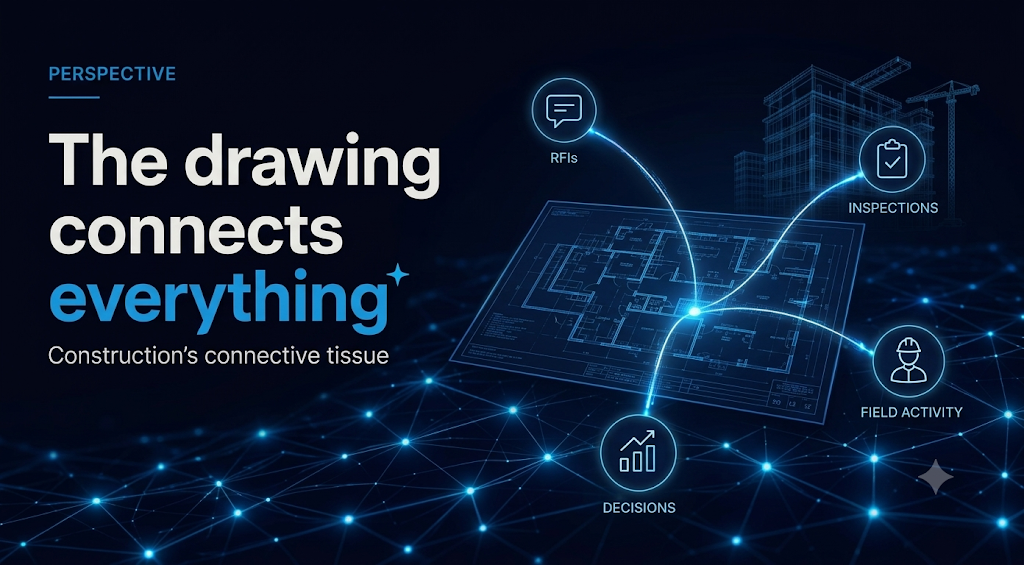
For more than a century, the construction drawing has been the common language of the jobsite.
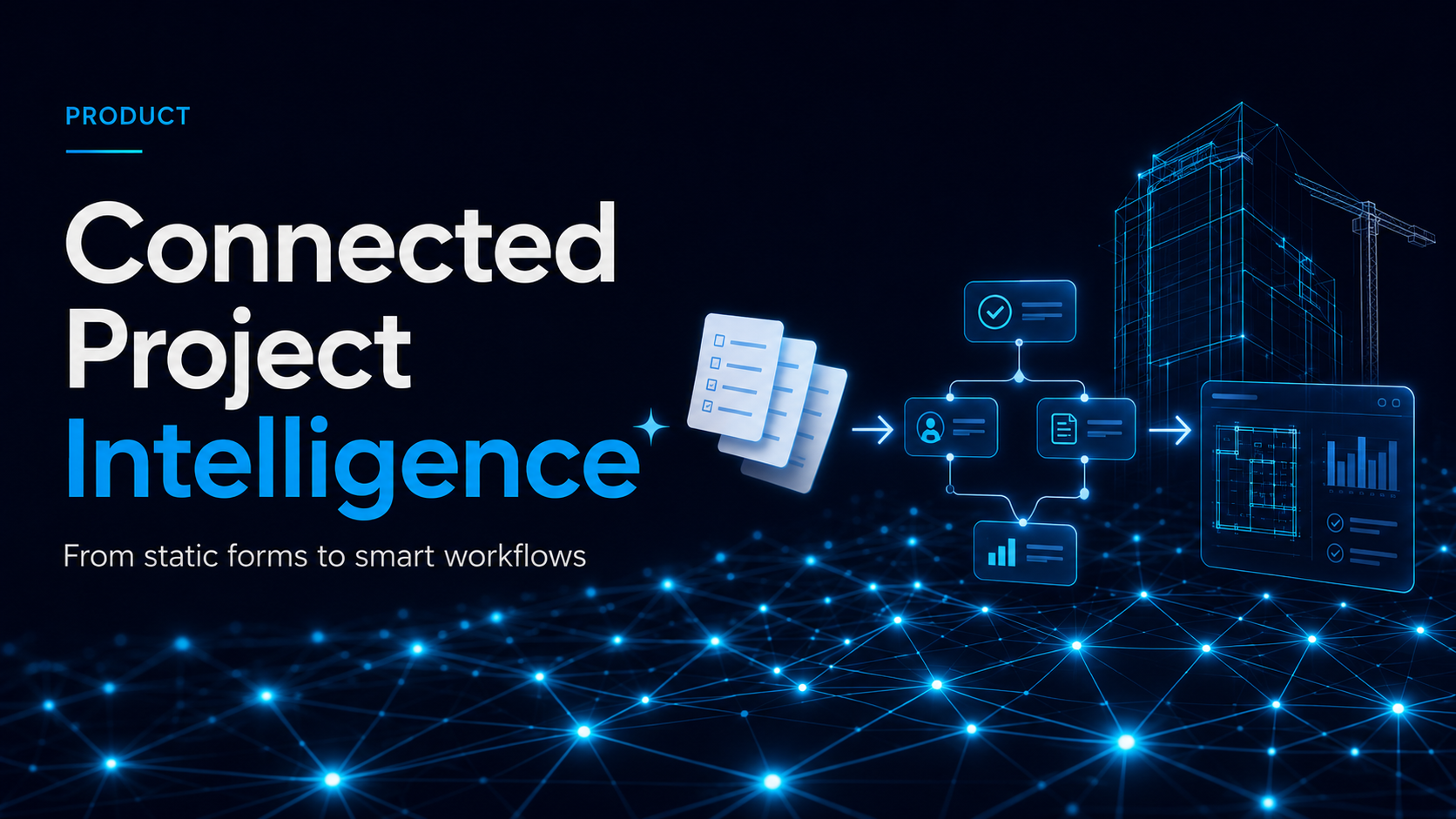
Forms are how construction captures reality. But when they live in isolation, they create more work, not more clarity. blade ai turns them into connected, contextual data.

Construction projects generate an overwhelming amount of information. The real challenge is understanding what's inside it — and what needs action right now.
Launch day is not the finish line. It is the start of putting connected project intelligence to work on real jobs, with real teams, and real decisions.